Wildfires are one of Spain’s most severe environmental threats, putting more than 15 million hectares of forest at risk every year. For public authorities, infrastructure owners, and land managers, the difference between a contained incident and a catastrophic fire often comes down to minutes.
Traditional detection methods still play an important role, but are no longer enough on their own. Forest protection increasingly depends on earlier insight, faster decision-making, and closer coordination between people and technology.
This is where advanced, sensor-based systems can help transform wildfire management. By combining IoT sensors, machine learning, and real-time monitoring, Securitas is supporting the shift from reactive firefighting toward a more proactive model of early intervention.
When every minute counts in forest fire protection
Spain’s climate, vegetation, and geography create a perfect storm for wildfires. Rising temperatures and prolonged droughts increase both the frequency and intensity of fires, while many areas remain difficult to access and hard to monitor continuously.
This was exactly the situation faced by a Securitas client responsible for managing forest space, including zones with rugged terrain and high exposure to wildfires during peak summer months.
Traditional systems are mostly reactive. Cameras detect smoke, satellites detect heat, and people report visible flames. By that point, especially in dry and windy conditions, a fire may already be spreading rapidly.
From detection to anticipation
The core issue was not just detecting fires. It was detecting them early enough to make a difference.
The client needed a more proactive way to monitor large forested areas continuously, including remote zones with limited access to power or communications networks. The system had to:
- Provide reliable real-time insight
- Operate autonomously
- Reduce the need for constant human monitoring
- Minimize false alarms
- Support a sustainable, long-term prevention strategy
The challenge was therefore not only technical. It was operational. Securitas needed to help the client combine advanced detection capabilities with practical, field-ready deployment – without adding complexity for response teams.
IoT sensors that learn the “scent” of the forest
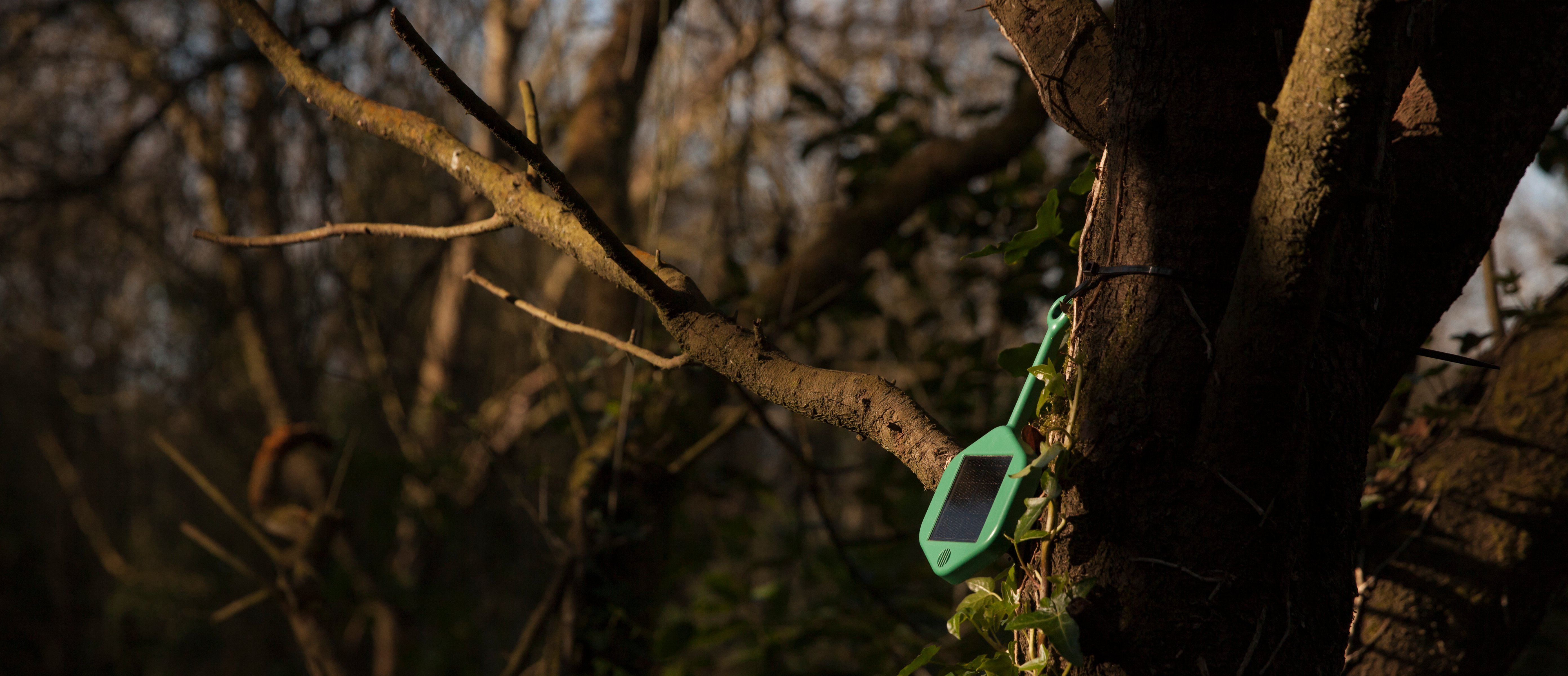
To meet these requirements, Securitas worked with the client to shape a service based on IoT sensors equipped with machine learning capabilities. These sensors are designed to “learn” the natural chemical and environmental profile – the “scent” – of the forest in which they are installed.
Over time, the sensors build a baseline of what’s normal in that specific environment. They continuously analyze environmental data and compare it with a lab-created database of fire “scents” for different types of vegetation, helping detect deviations that may indicate early signs of fire.
How technology and people work together
In daily operation, the system is designed to be seamless. But its effectiveness starts before the sensors are even switched on. Securitas experts work closely with the client to assess the forest environment and identify strategic locations for each sensor, taking into account factors such as terrain, accessibility, and areas of higher fire exposure.
Once installed, the sensors operate continuously, powered by solar energy. As they collect and analyze environmental data, they also refine their understanding of normal local conditions. This combination of placement and continuous machine learning helps the system monitor the right areas more effectively.
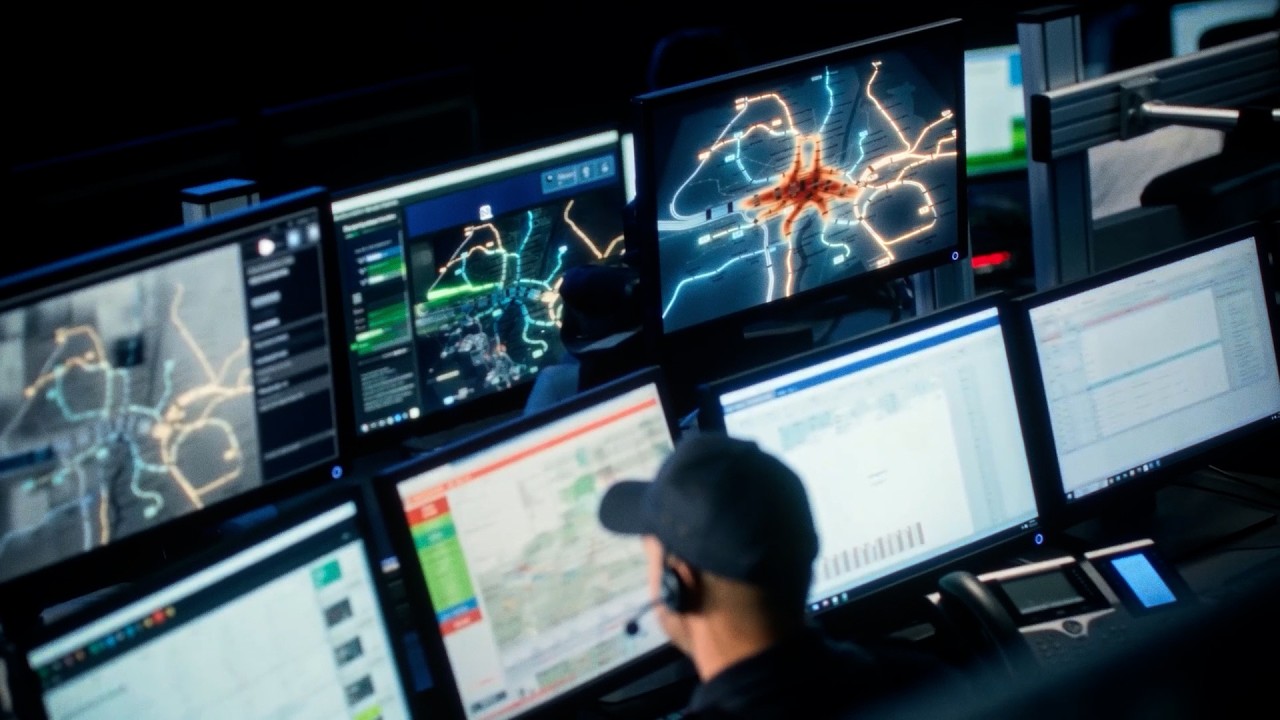
When an anomaly is detected, such as a change in air composition or other indicators of fire risk, an alert is automatically generated and sent to the control center. From there, the alert is assessed and prioritized. Operations teams, authorities, or emergency services can then be informed, and response teams can be deployed if needed.
Technology provides continuous monitoring and early insight, while people focus on judgement, coordination, and response.
For the client, this creates a more proactive and scalable approach to forest fire risk. Earlier detection supports faster intervention, solar-powered sensors help to reduce infrastructure needs, and continuous data helps teams make more informed decisions across large and complex forest environments.
The future of forest fire protection
Wildfires will remain a critical challenge for Spain and many other countries in the years ahead. But, as this case shows, advanced IoT and machine learning technologies can fundamentally change how organizations detect and manage fire risk.
By learning the “scent” of the forest and providing continuous, real-time monitoring, the system helps to enable earlier detection, faster decisions, and more effective intervention. It gives clients a way to act sooner – when the first signs of risk begin to emerge, rather than after smoke or flames appear.
This is intelligence-led security in action.